Common Reasons Residential Stamped Concrete Cracks and Fades Over Time
Homeowners seeking residential stamped concrete repair often want to fix cracks and fading caused by wear and weather, and local service providers can help restore durability and appearance.
Understanding the common reasons residential stamped concrete cracks and fades over time can help property owners better protect and maintain their outdoor spaces. Factors such as exposure to harsh weather conditions, ground shifting, and improper installation are often behind these issues. Homeowners in the area who notice signs of cracking or fading may find that professional repair services provided by local contractors can restore the appearance and integrity of their stamped concrete, ensuring it remains a durable and attractive feature for years to come.
Exploring why stamped concrete may deteriorate over time highlights the importance of proper installation and ongoing maintenance. Local service providers who specialize in residential stamped concrete repair can assess the specific causes of damage and recommend effective solutions. Whether it’s addressing surface cracks or fading, working with experienced contractors can help preserve the aesthetic appeal of stamped concrete while preventing further problems down the line. Keep reading to learn more about how these common issues develop and what options are available for effective repairs.
- When residential stamped concrete develops cracks or fades over time, local contractors can assess the damage and provide effective repair solutions to restore its appearance and durability. - As stamped concrete ages and shows signs of wear, local service providers can perform repairs to address cracking and fading, helping to extend the lifespan of the surface. - When homeowners notice deterioration in their stamped concrete, local pros can implement patching and resurfacing techniques to improve its look and structural integrity. - Cracks and fading in residential stamped concrete often occur due to weather or ground movement, and local contractors can offer tailored repair methods to prevent further damage. - For stamped concrete that has lost its original color or developed surface cracks, local service providers can deliver specialized repair work to rejuvenate the surface efficiently.
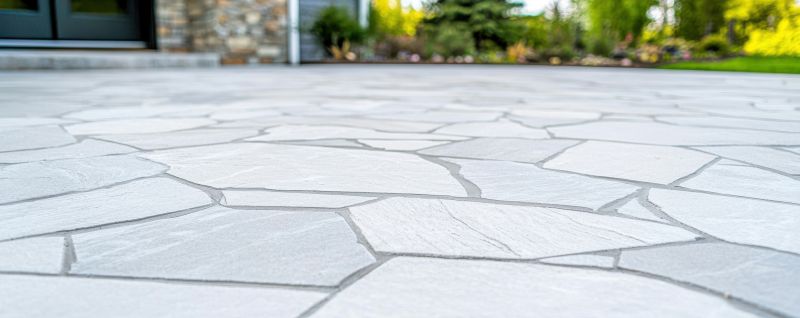
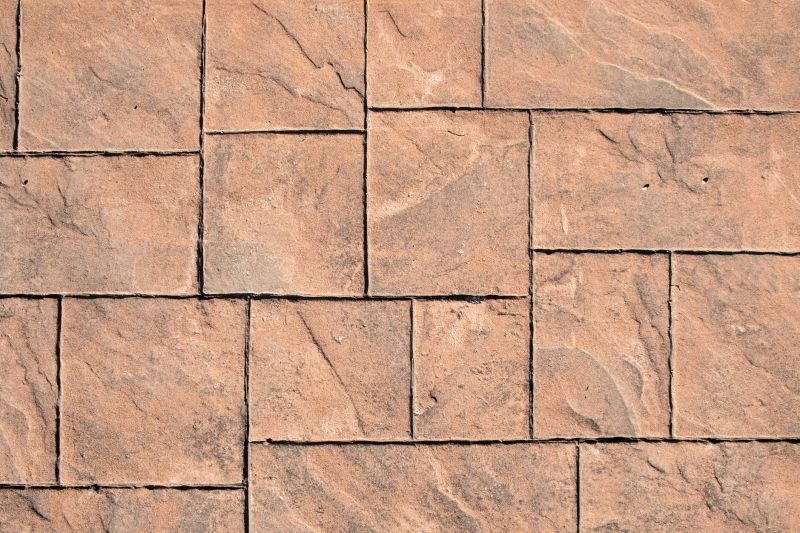
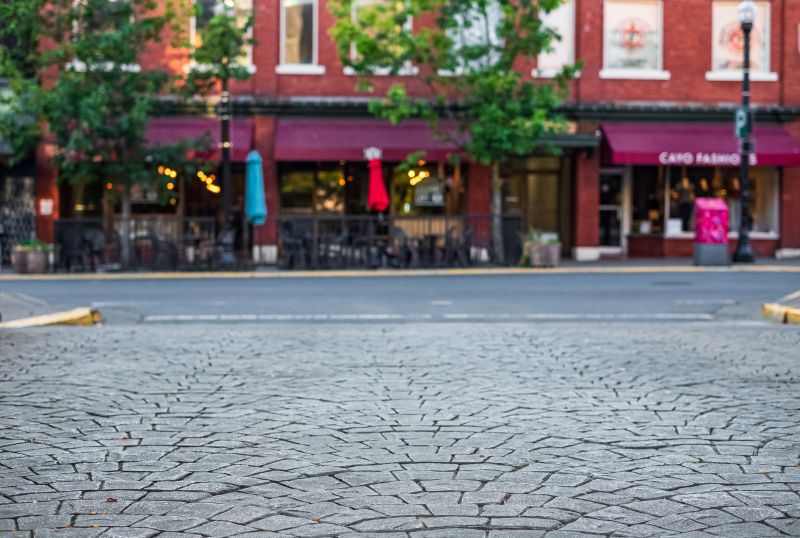
When homeowners search for information about common reasons residential stamped concrete cracks and fades over time, they are often trying to understand why their decorative concrete surfaces are showing signs of damage or deterioration. This topic typically relates to concerns about the longevity and appearance of stamped concrete used for patios, driveways, walkways, or pool decks. Many property owners want to know what causes these issues so they can decide whether repairs are necessary or if preventative measures could have avoided problems. Understanding the underlying reasons helps homeowners plan for repairs or replacements and choose the right local contractors to handle the work effectively.
These issues are frequently connected to the types of problems that develop in residential properties where stamped concrete is installed. Cracks can form due to ground movement, soil settling, or improper installation techniques, while fading often results from prolonged exposure to sunlight, weathering, or the use of incompatible sealers. Homeowners may also notice that their decorative surface begins to lose its color vibrancy or surface texture, making it look worn or aged. Such issues can impact the overall curb appeal and functionality of outdoor living spaces, prompting property owners to seek professional repairs or resurfacing solutions from experienced contractors who specialize in stamped concrete restoration.
The types of properties most commonly affected by these problems include single-family homes with outdoor patios, driveways, or pool decks that feature stamped concrete finishes. These surfaces are exposed to the elements and daily wear, making them susceptible to cracking and fading over time. Residential properties in areas with significant climate variations, such as freeze-thaw cycles or intense sun exposure, are particularly vulnerable. Property owners often want to restore their stamped concrete to maintain a cohesive aesthetic or improve safety by addressing cracks that could pose tripping hazards. Local contractors who specialize in residential stamped concrete repair can assess the specific causes of damage and recommend appropriate solutions tailored to each property’s needs.
Understanding the common reasons residential stamped concrete cracks and fades over time is essential for homeowners planning repairs or replacements. Recognizing the signs of damage and knowing what causes these issues can help property owners make informed decisions about engaging local service providers. These professionals are equipped to evaluate the condition of stamped concrete surfaces, identify underlying problems, and perform repairs that restore both appearance and durability. Whether it's filling cracks, removing surface fading, or applying protective coatings, local contractors play a key role in helping homeowners extend the life of their decorative concrete features and keep outdoor spaces looking their best.
Concrete sealing and waterproofing projects involve similar skills and tools as stamped concrete repair, focusing on protecting surfaces from moisture-related damage that can cause cracking and fading over time.
Driveway resurfacing and overlay services require planning and techniques comparable to stamped concrete work, addressing surface wear and deterioration that contribute to cracking and fading issues.
Patio and walkway restoration projects often involve surface preparation and finishing methods aligned with stamped concrete repairs to prevent surface degradation and maintain appearance.
Surface leveling and slab raising work shares foundational skills with stamped concrete repair, helping to address underlying causes of cracks and uneven fading in residential concrete surfaces.
Decorative concrete finishing projects utilize similar tools and planning to achieve aesthetic consistency, which can be affected by cracking and fading over time if not properly maintained.
Crack filling and joint repair services are closely related, requiring precise techniques to restore concrete integrity and prevent further damage that leads to cracks and fading.
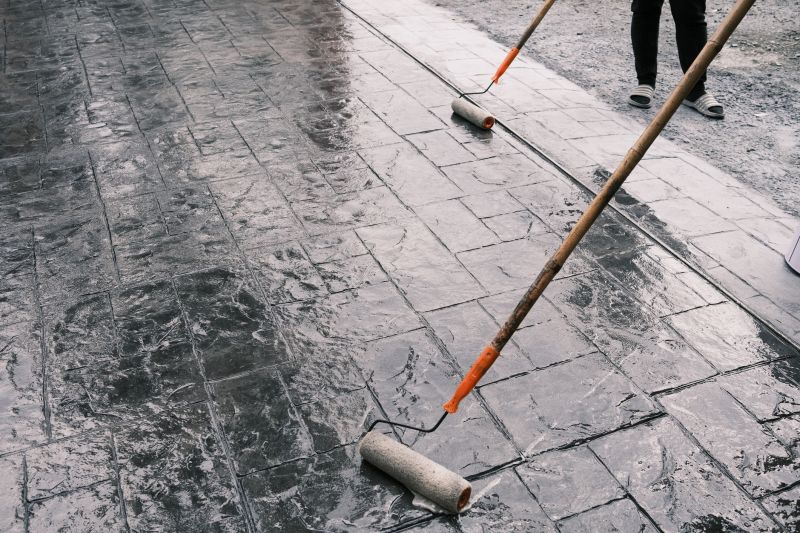
When evaluating service providers for residential stamped concrete repair, it is important to consider their experience with similar projects. Contractors who have successfully handled issues related to common reasons residential stamped concrete cracks and fades over time are more likely to understand the underlying causes and appropriate solutions. Inquiring about their past work on stamped concrete that experienced cracking or fading can provide insight into their familiarity with the specific challenges involved, ensuring that they are equipped to deliver durable and aesthetically pleasing results.
Clear written expectations are essential to ensure that both the homeowner and the contractor are aligned on the scope of work, materials, and repair techniques. A reputable local contractor will be able to provide detailed descriptions of the repair process, including how they plan to address issues related to cracking and fading, and what maintenance might be necessary afterward. This transparency helps prevent misunderstandings and sets realistic expectations for the longevity and appearance of the stamped concrete after repairs are completed.
Reputable references and good communication are key indicators of a reliable service provider. Contractors with a history of satisfied clients and positive feedback are more likely to approach each project with professionalism and attention to detail. Effective communication throughout the process ensures that homeowners can ask questions, express concerns, and receive updates, which is especially important when dealing with repairs for issues such as cracks and fading that may require ongoing care. Choosing a contractor who values clear, ongoing dialogue can contribute to a smoother repair experience and a more satisfactory outcome.
Property owners often search for common reasons residential stamped concrete cracks and fades over time when they are planning practical projects around their homes and businesses. Local pros provide Residential Stamped Concrete Repair services for everyday jobs and straightforward project options.
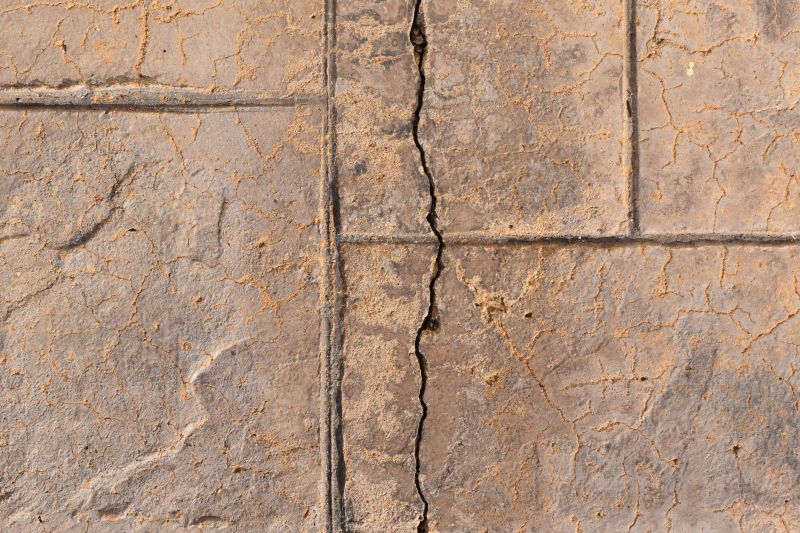
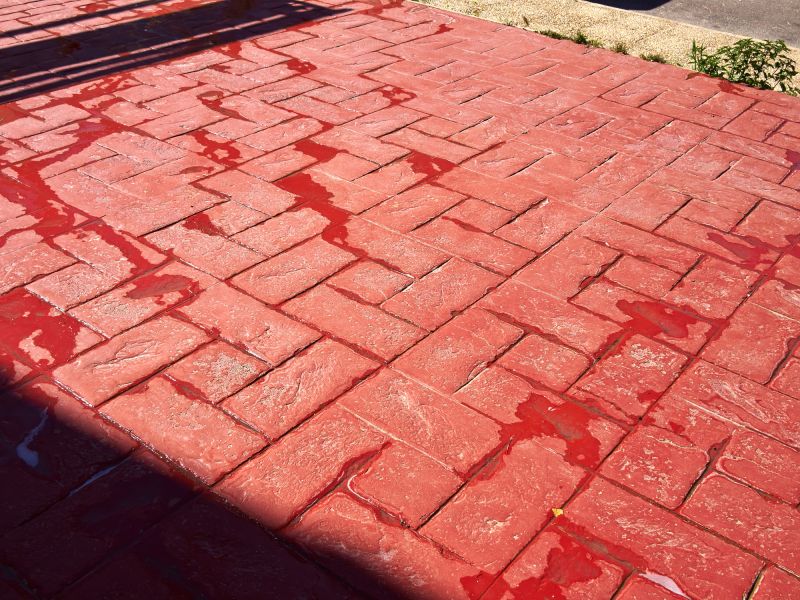
Residential stamped concrete can develop cracks and fade over time due to several common reasons. One of the primary factors is exposure to weather conditions, such as temperature fluctuations, rain, and sunlight, which can cause the surface to expand, contract, and deteriorate gradually. Additionally, improper installation or subpar curing during the initial laying process may lead to weaknesses in the concrete, making it more prone to cracking as it settles. Over time, regular wear and tear from foot traffic or heavy objects can also contribute to surface damage, especially if the concrete was not reinforced or sealed properly.
Property owners in the area often seek residential stamped concrete repair services when they notice these issues. Local contractors can assess the extent of cracking or fading and recommend appropriate solutions to restore the appearance and integrity of the surface. Whether it’s filling in cracks, resealing, or applying fresh stain to combat fading, experienced service providers are equipped to handle these common concerns and help maintain the durability and aesthetic appeal of stamped concrete over time.
What causes cracking in residential stamped concrete over time? Cracks in stamped concrete can result from soil movement, improper installation, or temperature fluctuations that cause expansion and contraction, which local contractors can repair to prevent further damage.
Why does stamped concrete fade after years of use? Fading often occurs due to sun exposure, wear from foot traffic, or the breakdown of surface sealers, and experienced service providers can restore color vibrancy through proper resurfacing or sealing.
Can poor drainage contribute to stamped concrete cracking? Yes, inadequate drainage can lead to water pooling and soil erosion beneath the slab, increasing the risk of cracking, which local repair specialists can address with proper grading and reinforcement.
Is fading related to the type of finish or sealant used? Fading can be influenced by the quality of the finish or sealant applied initially; professional repair services can recommend and apply durable sealers to prolong the appearance of stamped concrete.
How do environmental factors impact the longevity of stamped concrete? Environmental factors like temperature changes, moisture, and UV exposure can accelerate fading and cracking, but local contractors can perform repairs and protective treatments to improve durability.
Improper surface preparation - property owners can ensure proper surface cleaning and leveling before applying stamped concrete to prevent early cracking and fading, with help from local contractors.
Exposure to harsh weather - residents might consider protective sealing or choosing weather-resistant finishes, which local pros can recommend and apply to extend the lifespan of stamped concrete.
Use of low-quality materials - selecting high-quality concrete mixes and proper coloring agents is essential, and local service providers can advise on durable options to reduce fading over time.
Heavy loads and frequent impact - property owners can avoid placing excessive weight or sharp objects on stamped concrete, and local contractors can reinforce surfaces to better withstand daily use.
If you are thinking about common reasons residential stamped concrete cracks and fades over time for a property, this guide is meant to help you understand this topic, the typical project types, and how different options might fit your plans.
When you are ready, you can use the quote form on this page to share a few details about your project. From there, local pros can review the basics and follow up with options that match what you have in mind.